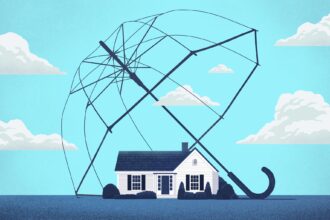

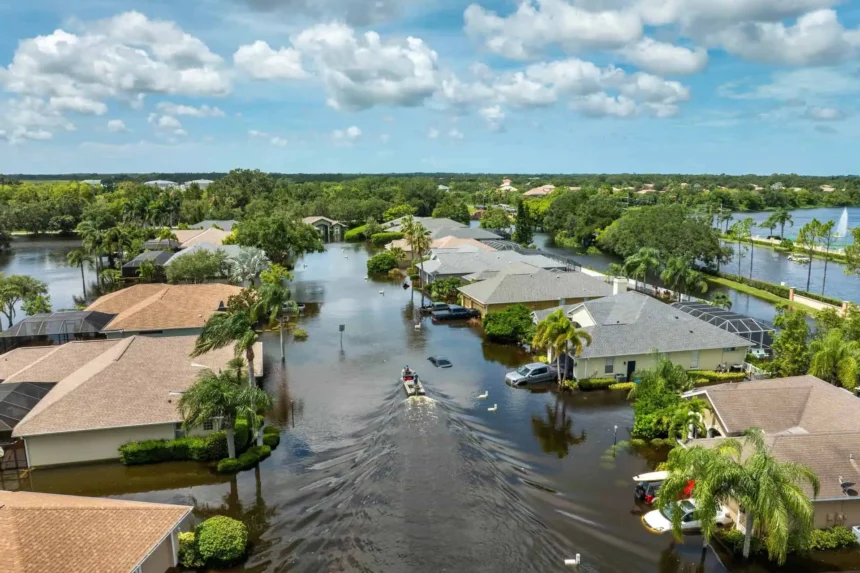
The landscape of property ownership has shifted fundamentally as we enter 2026. For homeowners and commercial property managers alike, the dialogue around weather has moved from casual observation to a central pillar of financial strategy. As adverse weather takes a record toll on insurance claims across the globe, the necessity for proactive action has never been more urgent. This comprehensive guide explores the current state of property protection, the economic drivers behind rising premiums, and the specific steps required to safeguard assets in a more volatile climate.
- The State of Global Insured Losses: A 2026 Overview
- Why Property Insurance Premiums Are Rising in 2026
- Inflation and Construction Costs
- Advanced Risk Modeling and AI Integration
- The Rise of Secondary Perils
- Practical Mitigation Strategies for Homeowners
- Enhancing Roof Resilience
- Flood Protection and Drainage Management
- Wildfire Defense in the Urban Interface
- Commercial Property Considerations in a Volatile Climate
- Navigating the 2026 Insurance Market
- Understanding the Excess and Surplus (E&S) Market
- Adjusting Deductibles for Affordability
- The Role of Parametric Insurance
- The Legal and Regulatory Landscape: Shifting Responsibilities
- Future-Proofing for 2027 and Beyond
The State of Global Insured Losses: A 2026 Overview
As we look at the data from the past twelve months, a clear and sobering picture emerges. For the sixth consecutive year, global insured losses from natural catastrophes have exceeded the 100 billion dollar mark. In 2025, these losses reached approximately 107 billion dollars, driven by an unprecedented combination of primary and secondary perils.
The United States remains the most significantly affected market, accounting for roughly 83 percent of global insured losses. The primary drivers in this region include the devastating Los Angeles wildfires in early 2025, which set a new record for wildfire-related insurance payouts, and a persistent series of severe convective storms. These storms, characterized by high winds, hail, and tornadoes, have become a dominant force in the insurance industry, contributing over 50 billion dollars to the annual loss total.
In the United Kingdom, the situation is equally pressing. Total payouts for weather-related property damage reached nearly 1 billion pounds in 2025, a significant increase from previous years. Industry reports from the Association of British Insurers (ABI) indicate that personal lines policyholders saw a 21 percent rise in claims for damage to homes and possessions. This surge is largely attributed to increased flooding events and storm surges that have tested the limits of existing infrastructure.
Source: Swiss Re Institute 2025 Natural Catastrophe Report
Why Property Insurance Premiums Are Rising in 2026
To understand the current market, one must look beyond the weather events themselves and examine the underlying economic factors. Several key elements are converging to drive up the cost of coverage.
Inflation and Construction Costs
The cost to rebuild has outpaced general inflation. In 2026, the price of specialized building materials and the shortage of skilled labor have made property restoration significantly more expensive than in previous decades. When an insurance company assesses a claim for a damaged roof or a flooded basement, they are paying 2026 prices for labor and materials, while the premiums may have been calculated based on older data. This discrepancy is a major factor in the upward adjustment of rates across the board.
Advanced Risk Modeling and AI Integration
Insurers are no longer relying on historical averages alone. The integration of artificial intelligence and satellite imagery has allowed for “postcode tiering,” where risk is assessed at a hyper-local level. AI-driven tools now analyze the age of a roof, the density of nearby vegetation, and the local drainage capacity with incredible precision. While this leads to more accurate pricing, it often results in sharp premium increases for properties previously considered “moderate risk.”
The Rise of Secondary Perils
While major hurricanes and earthquakes are known as “peak perils,” 2026 has seen a continued focus on “secondary perils.” These include localized flooding, hailstorms, and wildfires. Unlike a single massive hurricane, these events occur with high frequency and across wider geographic areas. The cumulative effect of these frequent, smaller claims is often greater than that of a single catastrophic event, forcing insurers to tighten their underwriting standards.
Practical Mitigation Strategies for Homeowners
Protecting a property in 2026 requires a multi-layered approach. It is no longer enough to simply have a good insurance policy; physical resilience is the first line of defense.
Enhancing Roof Resilience
The roof is the most vulnerable part of any structure during a storm. In many regions, insurers are now prioritizing roof age and material in their pricing models. Homeowners should consider:
- Impact-Resistant Shingles: Installing Class 4 impact-resistant shingles can significantly reduce damage from hailstones and may qualify the owner for substantial premium discounts.
- Secondary Water Barriers: Applying a self-adhering polymer-modified bitumen membrane under the shingles can prevent water from entering the home even if the primary roofing material is blown away.
- Reinforced Roof-to-Wall Connections: Using hurricane straps or clips to secure the roof to the walls of the house helps prevent “roof lift” during high-wind events.
Flood Protection and Drainage Management
With 2026 seeing record rainfall in many urban areas, managing water flow is critical.
- Smart Sump Pumps: Modern sump pump systems now include battery backups and IoT connectivity, sending alerts to your smartphone if the water level rises or if the pump fails.
- Permeable Paving: Replacing traditional concrete driveways with permeable materials allows water to soak into the ground rather than overwhelming local sewer systems and backing up into the basement.
- Flood Vents: For homes in flood-prone zones, installing flood vents allows water to flow through the foundation, equalizing pressure and preventing structural collapse.
Wildfire Defense in the Urban Interface
As wildfires expand into new territories, “defensible space” has become a requirement for many insurance renewals.
- Ember-Resistant Vents: Many wildfire losses occur when wind-blown embers enter a home through attic or crawlspace vents. Specialized vents are designed to block embers while still allowing for necessary ventilation.
- Non-Combustible Landscaping: Creating a five-foot buffer zone of gravel or stone around the perimeter of the home can prevent ground fires from reaching the structure.
- Sprinkler Systems: Some high-end property owners are now installing external rooftop sprinkler systems that can be activated remotely to hydrate the building and surrounding vegetation during an active fire threat.
Source: Hippo Homeowner’s Guide to Extreme Weather 2026
Commercial Property Considerations in a Volatile Climate
For business owners and real estate investors, the stakes in 2026 are even higher. Commercial property claims often involve not just physical damage, but also significant business interruption losses.
Climate Risk Assessments for Real Estate Portfolios
Institutional investors are now conducting deep-dive climate risk audits. These assessments evaluate assets based on 1-in-200 and 1-in-500 year flood return periods, as well as projected heat stress on building systems. Properties that fail to meet modern resilience standards are seeing their market value impacted as lenders become more cautious about financing assets in high-risk zones.
Protecting Critical Infrastructure
In commercial settings, protecting the “guts” of the building is paramount. This includes:
- Elevating Mechanical Systems: Moving HVAC units, electrical switchgear, and server rooms from basements to higher floors or the roof to avoid flood damage.
- Backup Power and Microgrids: As extreme weather puts stress on the electrical grid, commercial properties are increasingly investing in onsite solar and battery storage to maintain operations during prolonged outages.
- Continuous Monitoring: The use of IoT sensors to detect leaks, electrical faults, or temperature fluctuations in real-time can prevent a minor issue from turning into a multimillion-dollar claim.
Navigating the 2026 Insurance Market
As standard carriers pull back from some high-risk markets, property owners must be savvy in how they secure coverage.
Understanding the Excess and Surplus (E&S) Market
In states like Florida, California, and parts of the Gulf Coast, many owners are moving to the E&S market. These carriers are not subject to the same rate-filing regulations as admitted carriers, which allows them to offer coverage for high-risk properties at a higher price point. While the premiums are more expensive, the E&S market provides a vital safety net for properties that would otherwise be uninsurable.
Adjusting Deductibles for Affordability
One of the most effective ways to manage rising premiums in 2026 is through the strategic use of deductibles. By increasing a deductible from 1,000 dollars to 5,000 dollars, a homeowner may see a 15 to 25 percent reduction in their annual premium. However, this strategy requires the owner to have sufficient liquid savings to cover the higher out-of-pocket cost in the event of a claim.
The Role of Parametric Insurance
A growing trend in 2026 is the use of parametric insurance. Unlike traditional policies that pay based on the actual damage sustained, parametric insurance pays out a fixed amount when a specific event occurs, such as wind speeds exceeding a certain threshold or floodwaters reaching a specific height. These policies provide rapid liquidity, which is essential for immediate repairs and stabilizing cash flow.
Source: Deloitte 2026 Global Insurance Outlook
The Legal and Regulatory Landscape: Shifting Responsibilities
The burden of property protection is increasingly being shared between the private sector and government entities.
Updated Building Codes and Mandates
Governments are responding to the record toll of weather claims by mandating higher building standards. In 2026, we are seeing the widespread adoption of codes that require new developments to be built outside of the 100-year floodplain and to utilize wind-resistant construction techniques. Retrofitting older buildings is also being incentivized through tax credits and low-interest loans.
Government Grants for Resilience
In the United States, programs such as FEMA’s Building Resilient Infrastructure and Communities (BRIC) are providing billions in funding for large-scale mitigation projects. On an individual level, state-run programs like the California Earthquake Authority (CEA) offer grants for seismic retrofitting, while other states provide similar incentives for wind and flood protection.
The Impact on Real Estate Values
There is a growing “resilience premium” in the real estate market. Properties with documented mitigation measures—such as a new impact-resistant roof or a certified flood protection system—are selling faster and at higher prices than those without. Conversely, homes in high-risk areas with no mitigation are seeing longer days on market and significant price corrections.
Source: Bipartisan Policy Center: Impact of Hazard Mitigation on Premiums
Future-Proofing for 2027 and Beyond
The data from 2026 makes one thing clear: the climate has changed, and our approach to property management must change with it. The record-breaking toll of adverse weather on insurance claims is not a one-time anomaly but a marker of a new normal.
To thrive in this environment, property owners must transition from a reactive mindset to a proactive one. This involves a combination of:
- Continuous Education: Staying informed about the latest weather trends and insurance market shifts in your specific region.
- Strategic Investment: Allocating capital toward physical resilience measures that offer a high return on investment through lower premiums and reduced risk of damage.
- Collaborative Effort: Working with insurers, local governments, and neighborhood associations to improve community-wide resilience.
As we move deeper into 2026, the properties that will retain their value and remain insurable are those whose owners took action today. The cost of inaction is no longer just a theoretical risk; it is a line item on an insurance bill that continues to climb.