
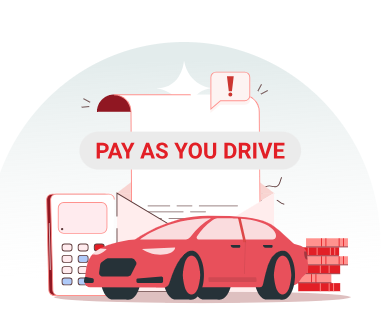
The automotive landscape has undergone a radical transformation over the past few years. As we approach the dawn of 2026, the traditional model of car insurance, once based on broad demographic buckets and historical averages, is rapidly becoming a relic of the past. Today, the concept of Pay-As-You-Drive (PAYD) insurance, also known as usage-based insurance (UBI), has moved from a niche offering for tech enthusiasts to a mainstream financial strategy for millions of drivers worldwide.
- The State of Insurance in 2026
- The Advantages of Pay-As-You-Drive Insurance
- 1. Significant Financial Savings for Low-Mileage Drivers
- 2. Rewards for Safe Driving and Gamification
- 3. Advanced Value-Added Services
- 4. Positive Environmental Impact
- The Disadvantages of Pay-As-You-Drive Insurance
- 1. The Growing Privacy Tax
- 2. Algorithmic Bias and “Surprise” Hikes
- 3. Reliability of Software and Hardware
- 4. The Loss of Spontaneity and the “Big Brother” Effect
- 2026 Market Leaders: A Comparative Review
- Economic Forecast and Data Insights for 2026
In this comprehensive analysis, we explore the intricate details of PAYD insurance in 2026. We will look at how high-speed data, artificial intelligence, and shifting consumer habits have redefined the relationship between the driver and the insurer. Whether you are a daily commuter or a weekend traveler, understanding these dynamics is essential for navigating the rising costs of modern vehicle ownership.
The State of Insurance in 2026
By December 2025, the insurance industry reached a critical tipping point. Data from leading market analysts suggests that over twenty percent of all active personal auto policies in North America and Europe now utilize some form of telematics. The reason for this shift is simple: economic necessity. With the average cost of full-coverage car insurance hitting approximately 209 dollars per month in 2026, consumers are searching for every possible way to lower their bills.
Modern PAYD programs in 2026 are no longer just about mileage. They have evolved into sophisticated systems that analyze a “streaming risk” profile. Using 5G connectivity and edge computing, insurers can now process driving data in real-time, allowing for premiums that adjust almost as fast as your driving habits change.
The Advantages of Pay-As-You-Drive Insurance
1. Significant Financial Savings for Low-Mileage Drivers
The primary appeal of PAYD insurance has always been the potential for lower costs. In 2026, this benefit is more pronounced than ever. For those who work from home or rely on public transit for their daily commute, traditional insurance often feels like a tax on a vehicle that spends ninety percent of its time in a garage.
Statistics from late 2025 indicate that low-mileage drivers can save anywhere from thirty to fifty percent on their annual premiums compared to traditional fixed-rate policies. By only paying for the miles actually driven, these consumers are no longer subsidizing the risk of long-distance commuters or commercial delivery drivers.
2. Rewards for Safe Driving and Gamification
Insurers have successfully turned safe driving into a rewarding game. Through intuitive smartphone apps, drivers receive daily safety scores based on specific metrics such as:
- Smoothness of braking
- Acceleration patterns
- Cornering precision
- Adherence to speed limits
In 2026, many top-tier insurers provide “cash-back” rewards or instant premium discounts for maintaining high safety scores. This real-time feedback loop encourages better road behavior, which ultimately leads to fewer accidents and lower claims costs for the entire system.
3. Advanced Value-Added Services
Telematics devices and apps in 2026 do more than just track miles. They serve as a comprehensive vehicle health and safety suite. Many PAYD programs now include:
- Theft Recovery: Real-time GPS tracking makes it nearly impossible for stolen vehicles to disappear.
- Accident Triage: If the onboard sensors detect a significant impact, the app can automatically contact emergency services and provide the exact location and severity of the crash.
- Mechanical Diagnostics: Early warnings about engine issues or tire pressure problems help drivers avoid costly repairs.
4. Positive Environmental Impact
There is a strong correlation between PAYD insurance and environmental sustainability. When drivers are financially incentivized to drive less, they often consolidate trips or choose alternative transportation. Additionally, the “eco-driving” metrics included in many 2026 insurance apps reward fuel-efficient habits, such as avoiding rapid acceleration, which directly reduces carbon emissions.
The Disadvantages of Pay-As-You-Drive Insurance
1. The Growing Privacy Tax
While the savings are real, they often come at the cost of personal data. In 2026, privacy concerns remain the single largest barrier to UBI adoption. A recent study by IMS revealed that sixty-two percent of motorists are uncomfortable with their insurer knowing their exact location at all times.
This has created what many call a “privacy tax.” Drivers who choose to opt out of data sharing are often forced to pay significantly higher “standard” rates, effectively being penalized for their desire for anonymity. The ethical debate over who owns driving data—the manufacturer, the insurer, or the driver—continues to be a major legal battleground.
2. Algorithmic Bias and “Surprise” Hikes
The shift to AI-driven underwriting has introduced a new layer of complexity. In 2026, some drivers have reported sudden, unexplained increases in their monthly bills. These “surprise” hikes can be triggered by factors that the driver may not even consider risky, such as:
- Driving in high-traffic areas known for frequent accidents.
- Parking on the street in neighborhoods with high property crime rates.
- Driving late at night, which algorithms often flag as a high-fatality risk window.
For a shift worker who has no choice but to drive at 2:00 AM, these automated penalties can feel unfair and discriminatory.
3. Reliability of Software and Hardware
Despite the advancements in technology, glitches still occur. In 2026, the reliance on smartphone-based tracking has led to disputes where a passenger’s phone might mistakenly record a ride in a bus or a taxi as the policyholder’s own driving. While “AI agents” are now used to triage these disputes, the process of correcting a false “hard-braking” event can be frustrating and time-consuming for the consumer.
4. The Loss of Spontaneity and the “Big Brother” Effect
Many drivers report a psychological shift once they enroll in a PAYD program. The constant awareness that every turn and every stop is being graded can take the joy out of driving. This “Big Brother” effect leads some to drive too cautiously, such as hesitating to brake hard even when it is necessary for safety, out of fear that it will hurt their score and increase their premium.
2026 Market Leaders: A Comparative Review
If you are considering a transition to a usage-based model this year, it is vital to know which companies are leading the pack in terms of technology and transparency.
Progressive Snapshot
As a pioneer in the field, Progressive’s “Snapshot” program remains a dominant force in 2026. Their system has become highly refined, focusing on “how” you drive rather than just “how much.” They offer one of the most user-friendly apps, providing granular data on every trip. However, they are also known for being quite strict with their “hard braking” definitions.
Tesla Insurance
For Tesla owners, the integrated insurance product is often the gold standard. Since the hardware is already built into the car, there is no need for extra apps or plug-in devices. Tesla’s use of “Safety Score 3.0” in 2026 provides a direct link between the vehicle’s Autopilot data and the monthly premium, often resulting in the lowest possible rates for safe EV enthusiasts.
Allstate Drivewise
Allstate has focused heavily on the rewards aspect of PAYD. Their Drivewise program offers points that can be redeemed for gift cards and merchandise, making it a favorite for younger drivers who enjoy the gamified experience. Their “Safe Driving Bonus” is issued every six months for those who keep their stats within the green zone.
State Farm Drive Safe and Save
State Farm offers a more conservative approach that appeals to families. Their discount-only model ensures that your premium will not increase due to poor driving scores; it can only stay the same or go down. This provides a “safety net” for those who are nervous about the volatility of other PAYD programs.
Economic Forecast and Data Insights for 2026
To give you a clearer picture of the financial landscape, let’s look at the projected costs and savings across different demographics for 2026.
Average Monthly Full-Coverage Premiums by State (2026 Forecast)
| State | Traditional Fixed Rate | PAYD Estimated Rate (Safe Driver) |
| California | 251 dollars | 175 dollars |
| Florida | 285 dollars | 210 dollars |
| Maine | 142 dollars | 95 dollars |
| Arizona | 194 dollars | 140 dollars |
| Colorado | 268 dollars | 190 dollars |
The Age Gap: Why Gen Z is Moving to PAYD
Younger drivers, specifically those under the age of twenty-five, face the highest insurance costs in history. In 2026, an eighteen-year-old pays an average of 497 dollars per month for full coverage. For this demographic, PAYD is not just an option; it is a lifeline. By proving their individual safety through telematics, young drivers can bypass the “high-risk” label associated with their age group and save thousands of dollars per year.