


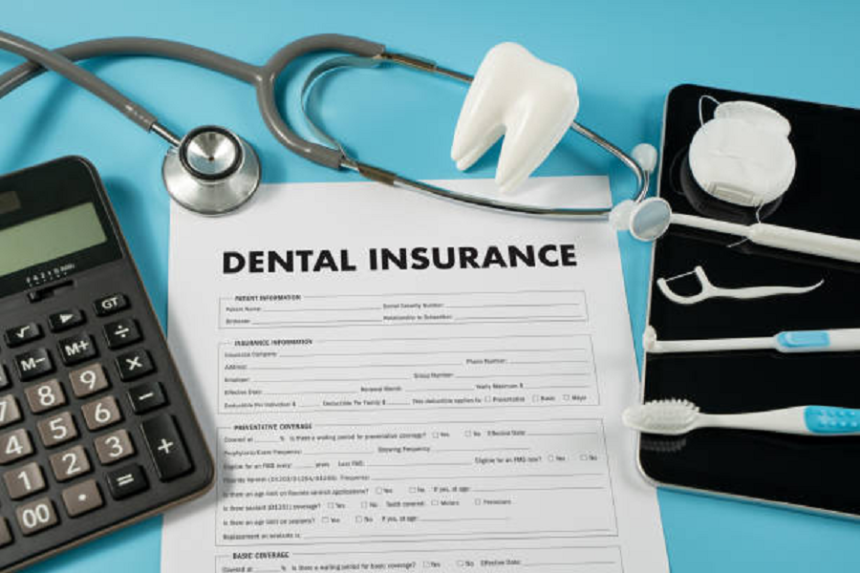
In the current landscape of 2025, maintaining oral health has evolved from a simple hygiene routine into a critical component of overall systemic wellness. As medical research continues to link periodontal health to cardiovascular stability and cognitive function, the importance of securing a robust dental plan has never been higher. For many individuals and families, navigating the complexities of dental coverage can feel overwhelming. This comprehensive guide serves as your definitive roadmap to understanding how dental insurance works today, what it costs in the modern market, and how to maximize the benefits available to you.
- Understanding the Landscape of Dental Insurance in 2025
- Primary Types of Dental Insurance Plans
- Preferred Provider Organization (PPO) Plans
- Dental Health Maintenance Organization (DHMO) Plans
- Indemnity and Fee for Service Plans
- Exclusive Provider Organization (EPO) Plans
- Decoding Coverage Tiers: The 100-80-50 Rule
- Preventative Care (100 Percent Coverage)
- Basic Procedures (80 Percent Coverage)
- Major Procedures (50 Percent Coverage)
- The True Costs of Dental Insurance in 2025
- Emerging Trends and Live Information for 2025
- Specialty Coverage and No Waiting Period Plans
- Alternatives to Traditional Dental Insurance
- Expert Strategies to Maximize Your Benefits
- The “Double Cleaning” Strategy
- Splitting Treatment Across Plan Years
- Verifying In Network Status Every Visit
- How to Choose the Best Plan: A Step by Step Guide
- The Future of Dental Care and Insurance
- Sources and Further Reading
Understanding the Landscape of Dental Insurance in 2025
The dental insurance market has seen significant growth as we move through 2025. Recent data indicates that the global sector is valued at over 230 billion dollars, driven by an aging population and a renewed focus on preventative care. Unlike general health insurance, dental plans are often designed more as a “wellness subsidy” than a “catastrophic coverage” model. This means that while they excel at covering routine maintenance, they require a strategic approach when dealing with major restorative work like crowns or implants.
The Shift Toward Preventative Care
One of the most prominent trends this year is the aggressive shift toward value based care. Insurance providers are increasingly waiving cost sharing for routine cleanings, examinations, and fluoride treatments. The logic is simple: by encouraging members to seek care earlier, insurers can avoid the high costs associated with emergency surgeries and advanced tooth decay. If you are shopping for a plan today, you will likely find that preventative services are covered at 100 percent in almost every reputable policy.
Primary Types of Dental Insurance Plans
Before you sign up for a policy, it is essential to understand the different structures of coverage available. The four most common types of plans in 2025 include PPO, HMO, Indemnity, and EPO models.
Preferred Provider Organization (PPO) Plans
PPO plans remain the most popular choice for consumers due to their inherent flexibility. In a PPO framework, you have access to a network of dentists who have agreed to provide services at pre negotiated rates. While you can visit a dentist outside the network, your out of pocket costs will be significantly lower if you stay within the preferred list. PPOs currently hold approximately 43 percent of the market share because they balance cost savings with the freedom of choice.
Dental Health Maintenance Organization (DHMO) Plans
DHMO plans function similarly to a traditional HMO. You are required to choose a primary care dentist from a specific network. These plans often have lower premiums and no annual maximums, but they offer less flexibility. If you require specialized care, you must obtain a referral from your primary dentist. For budget conscious individuals who do not mind staying within a restricted network, DHMOs can provide excellent value.
Indemnity and Fee for Service Plans
Indemnity plans are often referred to as “traditional” dental insurance. These plans generally allow you to visit any dentist without restriction. The insurance company pays a set percentage for each procedure, and you are responsible for the balance. While these plans offer the most freedom, they often come with higher premiums and more administrative paperwork.
Exclusive Provider Organization (EPO) Plans
An EPO is a hybrid model. Like a PPO, it uses a network of dentists, but like an HMO, it usually provides no coverage if you go out of network (except in emergencies). These plans are becoming more common in 2025 as a way to keep monthly premiums low while maintaining a high quality of care within a specific group of providers.
Decoding Coverage Tiers: The 100-80-50 Rule
Most dental insurance plans in 2025 follow a standard coverage structure often described as the 100-80-50 rule. Understanding this hierarchy is vital for budgeting your annual dental expenses.
Preventative Care (100 Percent Coverage)
This tier includes routine checkups, cleanings, and diagnostic X rays. In most 2025 plans, these services are fully covered, meaning you pay nothing out of pocket beyond your monthly premium. Many insurers have also added oral cancer screenings to this category as part of an industry wide push for early detection.
Basic Procedures (80 Percent Coverage)
Basic services typically include simple fillings, non surgical extractions, and emergency treatment for dental pain. After you meet your annual deductible, the insurance company will generally pay 80 percent of the cost, leaving you responsible for the remaining 20 percent.
Major Procedures (50 Percent Coverage)
This tier is where the highest costs reside. It includes crowns, bridges, dentures, and complex oral surgeries. In 2025, many high end plans are beginning to include dental implants in this category, though they were historically excluded. Most policies cover 50 percent of the negotiated rate for these services.
The True Costs of Dental Insurance in 2025
Budgeting for dental care requires looking beyond just the monthly premium. You must account for deductibles, coinsurance, and annual maximums.
Monthly Premiums
As of December 2025, the average monthly premium for an individual dental insurance plan in the United States ranges between 20 and 50 dollars. Family plans typically range from 60 to 150 dollars per month. Factors such as your geographic location and the level of coverage you choose will influence these rates. For instance, residents in Alaska often see higher premiums than those in West Virginia due to regional differences in healthcare infrastructure.
Annual Deductibles
The deductible is the amount you must pay out of pocket before your insurance starts contributing to basic or major procedures. Most dental deductibles are relatively low, usually ranging between 25 and 100 dollars per person. It is important to note that many plans waive the deductible for preventative care.
Coinsurance and Copayments
Coinsurance is the percentage of the cost you share with the insurer. For a basic filling, if your coinsurance is 20 percent and the negotiated rate is 200 dollars, you will pay 40 dollars. Copayments are flat fees paid at the time of service, common in DHMO plans.
Annual Maximums
The annual maximum is the total amount the insurance company will pay for your dental care in a single year. Most plans in 2025 have maximums between 1,500 and 2,500 dollars. Once you hit this limit, you are responsible for 100 percent of any additional costs until the next plan year begins. A growing trend in 2025 is “maximum rollover” benefits, where a portion of your unused annual maximum can be carried over to the following year.
Emerging Trends and Live Information for 2025
The dental insurance landscape is moving quickly. Here are the latest updates and innovations currently shaping the industry.
The Rise of Teledentistry
Virtual consultations have become a standard feature in 2025 dental plans. Many insurers now cover teledentistry visits at 100 percent, allowing patients to consult with a specialist via video call for triaging emergencies or discussing treatment plans. This technology has significantly improved access to care in rural areas and reduced unnecessary office visits.
Artificial Intelligence in Diagnostics
Insurers are beginning to use AI to streamline claims processing and improve diagnostic accuracy. By analyzing digital X rays, AI tools can help identify early signs of decay or bone loss that might be missed by the human eye. Some 2025 policies even offer incentives for dentists who utilize these advanced diagnostic tools, as they lead to better long term health outcomes.
Integration with Medicare Advantage
For seniors, 2025 has brought an expansion of dental benefits within Medicare Advantage plans. While original Medicare does not cover routine dental work, many Advantage plans now include comprehensive coverage for dentures, root canals, and periodontal maintenance. This is a critical development for the aging population who require more intensive dental care.
Specialty Coverage and No Waiting Period Plans
One of the most common frustrations with dental insurance is the “waiting period.” This is a timeframe, usually 6 to 12 months, during which the insurer will not pay for major procedures.
Finding Plans with No Waiting Periods
In 2025, several major carriers like Humana, Aflac, and UnitedHealthcare have introduced “no waiting period” plans. These are ideal for individuals who need immediate work, such as a crown or an implant. While these plans may have slightly higher premiums, they provide immediate financial relief for urgent dental needs.
Dental Implants and Orthodontics
Coverage for dental implants has become a “must have” for many consumers in 2025. While traditionally considered cosmetic, many insurers now recognize them as a standard of care for tooth replacement. Similarly, adult orthodontics, including clear aligners like Invisalign, are increasingly covered under major service tiers, though often with a separate lifetime maximum.
Alternatives to Traditional Dental Insurance
If traditional insurance does not fit your budget or needs, there are several alternatives that have gained popularity this year.
Dental Discount Plans
Also known as dental savings plans, these are not insurance but rather membership programs. You pay an annual fee (usually around 100 to 150 dollars) to gain access to a network of dentists who provide services at 10 to 60 percent off their standard rates. These plans have no waiting periods and no annual maximums, making them an excellent choice for those who have already exceeded their insurance limits.
Health Savings Accounts (HSA) and Flexible Spending Accounts (FSA)
Using pre tax dollars to pay for dental care is one of the smartest financial moves you can make in 2025. If you have a high deductible health plan, you can contribute to an HSA. These funds never expire and can be used for any qualified dental expense, including those not covered by your insurance.
Expert Strategies to Maximize Your Benefits
To get the most value out of your dental policy, you need to be proactive and strategic with your scheduling.
The “Double Cleaning” Strategy
Since most plans cover two cleanings per year at no cost, ensure you schedule these exactly six months apart. Skipping even one cleaning can lead to plaque buildup that eventually requires a “deep cleaning” (scaling and root planing), which is classified as a basic or major service and will cost you money.
Splitting Treatment Across Plan Years
If you require a significant amount of work that exceeds your annual maximum, ask your dentist if the treatment can be split. For example, you might have one crown done in December and the second in January. This allows you to utilize two years’ worth of annual maximums, potentially saving you thousands of dollars.
Verifying In Network Status Every Visit
Dentists frequently change the insurance networks they participate in. Even if your dentist was in network last year, verify their status before your first appointment of 2025. Using an out of network provider can increase your costs by 30 to 50 percent.
How to Choose the Best Plan: A Step by Step Guide
When comparing policies, follow this checklist to ensure you are getting the best possible coverage for your specific needs.
- Evaluate Your History: If you rarely have cavities, a basic PPO with high preventative coverage is best. If you have a history of gum disease or need crowns, look for a plan with a high annual maximum and a strong “major services” tier.
- Check the Provider Network: Use the insurer’s online tool to see if your preferred dentist is included. If you live in a rural area, a PPO with a large national network is usually the safest bet.
- Compare Total Costs: Don’t just look at the premium. Calculate the “worst case scenario” by adding the annual premium to the deductible and the maximum out of pocket cost for a major procedure.
- Read the Fine Print on Implants: If you think you might need an implant in the future, verify that the plan doesn’t have a “missing tooth clause,” which excludes coverage for teeth lost before the policy started.
The Future of Dental Care and Insurance
As we look toward the remainder of 2025 and beyond, the trend toward personalized, data driven insurance will only accelerate. We are seeing the beginning of “behavioral incentives” where policyholders receive premium discounts for proving they use an electric toothbrush or maintain regular checkups. This “gamification” of dental health aims to make preventative care more engaging and rewarding.
Furthermore, the boundary between dental and medical insurance continues to blur. Some innovative 2025 plans are beginning to offer integrated benefits for diabetic patients, acknowledging that treating gum disease can help manage blood sugar levels. This holistic approach represents the future of the industry.
Sources and Further Reading
To stay updated on the latest shifts in the dental market, consider visiting these reputable resources:
- American Dental Association (ADA): Provides research on dental expenditures and policy trends. ada.org
- Delta Dental: Offers a wealth of information on different plan types and oral health wellness. deltadental.com
- National Association of Dental Plans (NADP): The primary source for industry statistics and consumer guides. nadp.org
- Centers for Medicare & Medicaid Services (CMS): For the latest updates on dental coverage within Medicare Advantage for 2025. cms.gov