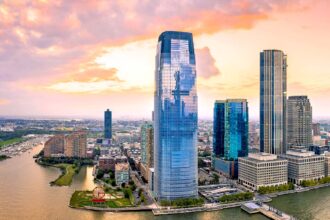



The landscape of commercial property insurance in 2026 is defined by a paradox of stability and evolution. For business owners and real estate investors, understanding this environment is not just a matter of compliance; it is a critical component of financial health. As we navigate through 2026, the global insurance market has reached a turning point where technological integration and data accuracy are the primary levers for controlling costs.
- The 2026 Commercial Insurance Market Outlook
- Understanding the Core Components of Coverage
- Buildings and Physical Structures
- Business Personal Property (BPP)
- Business Interruption Insurance
- Equipment Breakdown Coverage
- Key Factors Influencing Costs in 2026
- Construction Costs and Labor Inflation
- Geographic Risk and Climate Resilience
- The Rise of AI and Predictive Underwriting
- Average Costs for Commercial Property Insurance in 2026
- Specialized Coverage and Emerging Trends
- Strategies to Lower Commercial Insurance Premiums
- Invest in IoT and Risk Mitigation Tech
- Perform a Climate Risk Audit
- Consolidate Portfolios
- Accurate Property Valuations
- Top Commercial Property Insurance Providers in 2026
- The Role of the Insurance Broker in 2026
- Checklist for Commercial Property Owners in 2026
- Final Thoughts on Commercial Property Insurance
This comprehensive guide explores the current state of coverage, the shifting variables of premium costs, and the strategies necessary to navigate the complexities of protecting physical assets in a modern economy.
The 2026 Commercial Insurance Market Outlook
Entering 2026, the commercial property insurance sector has shown signs of significant stabilization after years of volatility. According to industry reports from leading firms like Marsh and Aon, the “hard market” that characterized the early 2020s has begun to soften in specific segments. While catastrophic risks remain a primary concern, properties located in non-catastrophe zones are experiencing more predictable rate adjustments.
Market analysts suggest that the return of capital to the reinsurance sector has been a primary driver of this stabilization. Treaty renewals for 2026 have seen downward pricing pressure, which often trickles down to the primary market for well-maintained properties. However, this does not mean premiums are universally falling. Instead, underwriters are becoming more surgical, rewarding risk-aware owners with competitive terms while maintaining high premiums for those with outdated infrastructure or high exposure to climate perils.
Understanding the Core Components of Coverage
To effectively manage a commercial portfolio in 2026, one must first master the fundamental types of coverage available. A standard policy today is rarely a “one size fits all” solution. Instead, it is a modular stack of protections designed for specific business needs.
Buildings and Physical Structures
This remains the bedrock of any policy. It covers the repair and replacement of the building itself, including permanent fixtures and machinery. In 2026, there is a heightened focus on “Green Building” endorsements. These allow for the replacement of damaged structures with more sustainable, energy-efficient materials that meet modern environmental standards, which are increasingly mandated by local building codes.
Business Personal Property (BPP)
This coverage extends to everything inside the building. This includes office furniture, manufacturing equipment, and inventory. For businesses operating in the tech or logistics sectors, BPP has expanded to include specialized hardware that might be sensitive to environmental changes.
Business Interruption Insurance
Perhaps the most critical coverage in the post-pandemic era, business interruption (also known as business income insurance) compensates for lost revenue when a business is forced to close due to physical damage. In 2026, “Extra Expense” coverage is frequently bundled here, helping businesses cover the costs of setting up temporary operations to maintain client relationships during repairs.
Equipment Breakdown Coverage
Modern commercial properties are increasingly reliant on complex HVAC systems, smart elevators, and onsite server rooms. Traditional property insurance often excludes mechanical failure. Equipment breakdown coverage steps in to fix or replace essential machinery when it fails due to power surges, motor burnout, or operator error.
Key Factors Influencing Costs in 2026
Determining the cost of commercial property insurance involves a complex calculation of internal and external factors. For 2026, several specific drivers are influencing the final numbers on renewal notices.
Construction Costs and Labor Inflation
While general inflation has moderated, the specific cost of construction materials and skilled labor remains high. Rebuilding a commercial warehouse today costs significantly more than it did three years ago. Insurers are now applying more rigorous “Insurance-to-Value” (ITV) assessments. If a building is undervalued on a policy, the owner may face significant out-of-pocket expenses or co-insurance penalties in the event of a total loss.
Geographic Risk and Climate Resilience
Location remains the most significant variable in premium calculation. Properties in “Tier 1” wind zones or areas prone to wildfires are seeing the highest rate increases. Conversely, inland properties with modern storm mitigation systems are seeing the most competitive rates. In 2026, underwriters are looking for specific proof of resilience, such as impact-resistant roofing and advanced fire suppression systems.
The Rise of AI and Predictive Underwriting
The way insurers assess risk has been revolutionized by artificial intelligence. Carriers are no longer relying solely on historical data. They are using satellite imagery, drone inspections, and IoT sensors to get a real-time view of a property’s condition. A building with a poorly maintained roof will be flagged almost immediately by AI-driven image analysis, leading to higher premiums or even a denial of coverage until repairs are made.
Average Costs for Commercial Property Insurance in 2026
Providing a single “average cost” is difficult because of the vast differences between a small boutique and a large manufacturing plant. However, current data provides a helpful benchmark for budgeting purposes.
Small Business Costs
For many small businesses, the cost of commercial property insurance is often bundled into a Business Owners Policy (BOP). In 2026, the median cost for a BOP ranges from $600 to $2,500 annually for low-risk industries. Retailers and small office-based businesses typically fall on the lower end of this spectrum, provided they do not have a history of frequent claims.
Mid-Market and Large Real Estate Portfolios
Larger commercial entities are seeing premiums calculated based on the Total Insured Value (TIV). For a mid-sized office building valued at $10 million, annual premiums might range from $15,000 to $45,000, depending on location and building age. Properties in high-risk zones like coastal Florida or California wildfire regions may see these rates double or triple.
Industry-Specific Variations
Some sectors naturally command higher premiums due to the inherent risks of their operations. Restaurants, for example, face higher fire risks, while manufacturing plants deal with hazardous materials and high-value machinery. In 2026, these “tougher” risks are seeing stable but firm pricing, with underwriters requiring detailed safety protocols and loss prevention strategies.
Specialized Coverage and Emerging Trends
As the business world changes, so do the insurance products designed to protect it. Several emerging trends are gaining traction in 2026.
Parametric Insurance Solutions
Parametric insurance is a rapidly growing alternative to traditional indemnity-based policies. Instead of paying out based on the actual damage sustained, parametric policies pay out a predetermined amount when a specific trigger is met, such as a hurricane reaching a certain wind speed or an earthquake hitting a specific magnitude. This provides businesses with immediate liquidity, which is often crucial for surviving the first few weeks after a disaster.
Cyber-Physical Coverage
As buildings become “smarter,” the line between physical property and digital assets blurs. In 2026, many property policies now offer endorsements for “Cyber-Physical” damage. This covers situations where a cyberattack causes physical damage to a building, such as a hacker taking control of an HVAC system and causing a pipe to burst or a furnace to explode.
Ordinance or Law Coverage
Older buildings often face a unique challenge: when they are damaged, they must be rebuilt to current city codes, which can be much more expensive than the original construction. Ordinance or Law coverage helps pay for these mandatory upgrades, which are often not covered by a standard “replacement cost” policy.
Strategies to Lower Commercial Insurance Premiums
While market forces are out of an owner’s control, there are several proactive steps that can be taken to reduce costs and secure better terms during the 2026 renewal cycle.
Invest in IoT and Risk Mitigation Tech
Carriers are increasingly offering “technology credits” for properties that install smart sensors. These devices can detect water leaks before they become catastrophic floods or monitor electrical panels for overheating. In 2026, having a documented “Smart Building” strategy is one of the most effective ways to negotiate a lower premium.
Perform a Climate Risk Audit
Understanding the specific perils your property faces is the first step toward mitigation. By performing a climate risk audit, owners can identify vulnerabilities, such as gaps in flood defenses or inadequate brush clearance. Presenting this audit, along with a plan to address the findings, can significantly improve an underwriter’s perception of the risk.
Consolidate Portfolios
For owners with multiple properties, consolidating insurance under a single “Master Policy” can lead to significant savings. This approach allows for higher aggregate deductibles and better leverage with major carriers who are eager to secure large, well-managed accounts.
Accurate Property Valuations
One of the most common reasons for premium spikes is a last-minute adjustment to property values. By working with a professional appraiser to establish an accurate and defensible replacement cost, owners can avoid the conservative “cushion” that many insurers add to valuations when data is missing or outdated.
Top Commercial Property Insurance Providers in 2026
Choosing the right carrier is as important as the coverage itself. In 2026, several companies stand out for their financial strength and innovative products.
- Travelers: Known for their extensive Risk Control services and specialized programs for mid-sized businesses.
- The Hartford: A leader in small business insurance, offering highly customizable Business Owners Policies.
- Chubb: Often the preferred choice for high-value properties and multinational corporations that require sophisticated risk engineering.
- Zurich: A major player in the large-scale commercial real estate and construction sectors, with strong global capabilities.
- Liberty Mutual: Offers a broad range of products with a focus on flexibility and proactive claims management.
The Role of the Insurance Broker in 2026
In a market where data is king, the role of the insurance broker has evolved from a simple intermediary to a strategic consultant. A top-tier broker in 2026 does more than gather quotes; they help businesses tell a “risk story.” By organizing data, documenting safety improvements, and leveraging relationships with global underwriters, a broker can often secure terms that are not available to the general public.
Checklist for Commercial Property Owners in 2026
To ensure your business is fully protected and your costs are optimized, consider the following actions:
- Review and update property valuations to reflect current construction costs.
- Audit all safety and maintenance logs for the past three years.
- Inspect roofs, electrical systems, and plumbing for any signs of aging or wear.
- Investigate parametric insurance as a supplement for catastrophe-prone locations.
- Discuss “Cyber-Physical” risks with your IT and facilities management teams.
- Meet with your broker at least 120 days before your renewal date to begin the marketing process.
Final Thoughts on Commercial Property Insurance
The 2026 insurance market rewards the prepared. While the macro-economic environment has stabilized, the increasing frequency of weather events and the rising cost of materials mean that property insurance will remain a significant expense for the foreseeable future. By embracing technology, maintaining accurate data, and proactively managing risks, business owners can protect their physical legacy while maintaining a competitive bottom line.