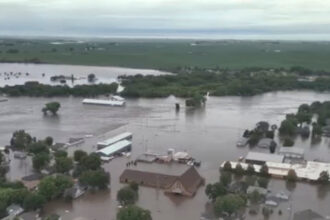


The landscape of property protection has shifted dramatically as we enter 2026. Homeowners now face a world where climate volatility, advanced artificial intelligence, and evolving smart home technologies dictate the speed and success of an insurance claim. Whether you are dealing with minor wind damage or a major structural loss, understanding the modern protocols is essential for securing a fair settlement. This comprehensive guide outlines the exact steps required to navigate the filing process in today’s digital and data-driven environment.
- The Evolution of Home Insurance in 2026
- Immediate Steps After a Property Loss
- 1. Ensure Safety and Mitigate Further Damage
- 2. Document Everything with High-Resolution Media
- 3. Notify Your Insurer Immediately
- Leveraging 2026 Digital Tools for Claims
- Understanding Your 2026 Insurance Policy
- Replacement Cost vs. Actual Cash Value
- The Rise of Percentage-Based Deductibles
- Additional Living Expenses (ALE)
- The Inspection and Valuation Process
- Negotiation and Professional Assistance
- Regional Considerations and State Programs
- Avoiding Common Claim Pitfalls
- Future-Proofing Your Home for 2027 and Beyond
- Conclusion: Peace of Mind in a Changing World
The Evolution of Home Insurance in 2026
Entering this year, the insurance industry has reached a pivotal inflection point. We are no longer in an era where claims are handled solely by paper and manual inspections. Instead, agentic AI and real-time data loops have become the backbone of the claims experience. Insurers are shifting from a reactive stance to a proactive one, often identifying potential risks before a claim is even filed.
For homeowners, this means the expectation for documentation has increased. In 2026, carriers utilize satellite imagery and drone technology to maintain a constant “digital twin” of your property’s exterior. Consequently, when you file a claim, the insurer already has a baseline of what your home looked like just days before the event. This level of transparency requires homeowners to be equally diligent in their own record-keeping and maintenance.
Immediate Steps After a Property Loss
When damage occurs, the first sixty minutes are the most critical. Your actions during this window can significantly impact the trajectory of your claim.
1. Ensure Safety and Mitigate Further Damage
Your primary responsibility is the safety of your household. If there is a gas leak, structural instability, or active flooding, evacuate immediately and contact emergency services. Once it is safe to do so, you have a “duty to mitigate” further loss. This is a standard clause in 2026 policies that requires you to take reasonable steps to prevent the situation from worsening.
Examples of mitigation include:
- Tarping a damaged roof to prevent rain from entering.
- Turning off the main water valve in the event of a burst pipe.
- Boarding up broken windows or doors after a break-in.
Keep receipts for any materials purchased for these emergency repairs, as they are typically reimbursable under your “Additional Living Expenses” (ALE) or “Reasonable Repairs” coverage.
2. Document Everything with High-Resolution Media
In 2026, evidence is digital. Before moving any debris or starting clean-up, use your smartphone to take high-resolution 4K video and photos of the damage. Capture wide shots to show the context of the damage and close-up shots to show the severity. If you have a smart home system with internal or external cameras, download the footage from the time of the incident immediately. Many insurers now accept 3D scans of rooms, which can be created using standard mobile apps to provide a more immersive view for the adjuster.
3. Notify Your Insurer Immediately
The days of waiting for business hours to report a loss are over. Most major carriers now offer 24/7 “AI Triage” through their mobile apps. Filing your claim within hours of the incident is highly recommended. This puts you at the front of the queue, which is vital during “catastrophe events” like major storms where thousands of homeowners may be filing simultaneously.
Leveraging 2026 Digital Tools for Claims
The 2026 claims process is heavily integrated with technology designed to speed up the valuation. Understanding these tools will help you interact more effectively with your carrier.
AI Claims Assistants and Virtual Adjusters
Many insurers now use “Agentic AI” to handle the initial stages of a claim. These AI agents can process your uploaded photos, compare them against satellite data, and provide an initial “automated estimate” within minutes for simple claims. While this is convenient, it is important to review these AI-generated estimates carefully to ensure they have not missed any nuanced damage, such as hidden mold or internal structural stress.
Drone and Satellite Inspections
If your claim involves roof or exterior damage, do not be surprised if your insurer sends a drone rather than a human with a ladder. Drones equipped with infrared sensors can detect moisture under shingles and structural weaknesses that the human eye might miss. Ensure that any drone inspection is scheduled and that you receive a copy of the high-definition imagery for your records.
Smart Home Sensor Data
If your home is equipped with IoT (Internet of Things) devices like smart leak detectors or electrical monitors (such as Ting), your insurer may request the data logs from these devices. This data can prove exactly when a leak started or identify an electrical surge, providing indisputable evidence for your claim. In 2026, many policies offer “Proactive Credits” for homes with these systems, as they significantly reduce the severity of water and fire claims.
Understanding Your 2026 Insurance Policy
Before the adjuster arrives, you must have a clear understanding of your specific coverage. Policy structures have become more complex in 2026 to account for localized climate risks.
Replacement Cost vs. Actual Cash Value
This remains one of the most important distinctions in insurance.
- Replacement Cost Value (RCV): Covers the cost to replace your items or repair your home with new materials of similar quality, without deducting for depreciation.
- Actual Cash Value (ACV): Pays out the value of the item at the time of the loss, which includes a deduction for age and wear-and-tear.
In 2026, some carriers have moved toward “Hybrid ACV” models for roofs over 15 years old, meaning they may only pay the depreciated value of the roof even if the rest of the home has RCV coverage. Always check your “Declarations Page” for these specific sub-limits.
The Rise of Percentage-Based Deductibles
Standard flat-fee deductibles (like $500 or $1,000) are becoming rarer for weather-related claims. In 2026, many policies in high-risk zones (such as Florida, Texas, and California) utilize percentage-based deductibles for wind, hail, or named storms. If your home is insured for $500,000 and you have a 2% wind deductible, you will be responsible for the first $10,000 of repairs. Ensure you have these funds available in an emergency savings account.
Additional Living Expenses (ALE)
If your home is uninhabitable, ALE coverage pays for your temporary housing, meals, and even laundry services. In the current economy, the cost of temporary rentals has surged. Most 2026 policies provide ALE for up to 12 or 24 months, but there is often a “dollar cap” based on a percentage of your total dwelling coverage. Keep every single receipt during your displacement, as insurers will only reimburse for “excess” costs (the amount spent above your normal living expenses).
The Inspection and Valuation Process
Once the claim is filed, an adjuster will be assigned to evaluate the damage. In 2026, this person might be a staff adjuster, an independent contractor, or a “Virtual Desk Adjuster” who works via video link.
Working with the Adjuster
When the adjuster arrives, have your documentation ready. Provide them with a printed or digital list of all damaged items, including the approximate date of purchase and the original cost. Be present during the inspection but allow the professional to do their job. Point out specific areas of concern that might not be immediately visible, such as cracks in the foundation or water stains in the attic.
Getting Independent Estimates
Never rely solely on the insurance company’s estimate. Contact at least two local, reputable contractors to provide a detailed “Scope of Work” and an itemized estimate for the repairs. In 2026, labor costs and material shortages remain a factor, so ensure your contractor’s quote reflects “current market rates” for your specific zip code. If there is a significant discrepancy between the insurer’s estimate and the contractor’s quote, the insurer may need to adjust their “Xactimate” or “Symbility” pricing data to match reality.
Negotiation and Professional Assistance
If you find that the insurance company’s offer is insufficient to cover the repairs, you have several options for recourse.
Hiring a Public Adjuster
A public adjuster is a licensed professional who works for you, not the insurance company. They are experts in policy language and damage valuation. In 2026, public adjusters often use their own drone and AI software to counter the insurer’s data. They typically charge a percentage of the final settlement (usually 10% to 15%). This is often worth the cost for large, complex claims where the payout difference could be tens of thousands of dollars.
The Appraisal Process
If you and the insurer cannot agree on the “amount of loss,” most policies have an appraisal clause. Each party selects a competent appraiser, and those two appraisers select an “umpire.” A decision by any two of the three is binding. This is often a faster and cheaper alternative to litigation.
Legal Recourse and Property Damage Attorneys
In cases of “bad faith” (where the insurer unreasonably denies or delays a valid claim), you may need to consult a property damage attorney. Regulatory bodies, such as the National Association of Insurance Commissioners (NAIC), provide resources for reporting unfair claims practices. In 2026, state-specific protections have been strengthened in many areas to protect homeowners from “automated denials” generated by AI systems without human oversight.
Regional Considerations and State Programs
The 2026 insurance market is highly localized. Different states have implemented programs to help homeowners manage the rising cost of claims and premiums.
Arkansas: The Strengthen Arkansas Homes Program
Effective January 1, 2026, the “Strengthen Arkansas Homes Program” provides financial grants to property owners to assist with loss mitigation. If you are a resident of Arkansas, you may be eligible for funds to help reinforce your roof or windows, which can lead to lower premiums and easier claim processing in the future.
California and Florida: Market Volatility
In these states, the “Excess and Surplus” (E&S) market has become a primary source of coverage as standard carriers have reduced their footprint. Claims in the E&S market can be more technical, and policyholders should be aware that these insurers often have more flexibility in their policy wording, which may include stricter exclusion clauses for specific types of water or fire damage.
Avoiding Common Claim Pitfalls
Even with the best technology, simple mistakes can lead to claim denials or reduced payouts.
- Maintenance vs. Sudden Loss: Insurance is for “sudden and accidental” events. If a pipe leaks slowly over six months due to lack of maintenance, the claim will likely be denied. Keep a “Home Maintenance Log” showing that you have regularly inspected your roof, HVAC, and plumbing.
- Waiting Too Long to File: Many 2026 policies have strict reporting windows, sometimes as short as 60 days from the date of the occurrence. Delaying can lead to a “late notice” denial.
- Cleaning Up Too Soon: While you must mitigate damage, do not throw away damaged items until the adjuster has seen them. If you must discard items (like spoiled food or sodden carpet), take photos and videos of them first.
Future-Proofing Your Home for 2027 and Beyond
As you settle your 2026 claim, use it as an opportunity to “build back better.”
- Upgrade to Impact-Resistant Materials: Many insurers offer significant premium discounts for Class 4 impact-resistant shingles or hurricane-rated windows. These upgrades can pay for themselves through insurance savings over a few years.
- Install a Secondary Water Shut-off Valve: Modern smart valves can automatically shut off your water if they detect a flow that indicates a burst pipe. This is one of the most effective ways to prevent catastrophic water claims.
- Digital Inventory Updates: Every time you buy a major appliance or high-value item, take a photo of the receipt and the serial number and upload it to a cloud-based “Home Inventory App.” This makes future claims much simpler.
Conclusion: Peace of Mind in a Changing World
Filing a home insurance claim in 2026 requires a blend of traditional diligence and modern tech-savviness. By documenting everything digitally, understanding the nuances of your 2026 policy, and leveraging the tools provided by your insurer, you can navigate the process with confidence. Remember that your insurance policy is a legal contract, and you have the right to a fair and transparent settlement. Stay informed, stay proactive, and use the resources available to you to protect your most valuable asset.