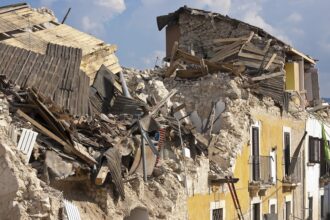

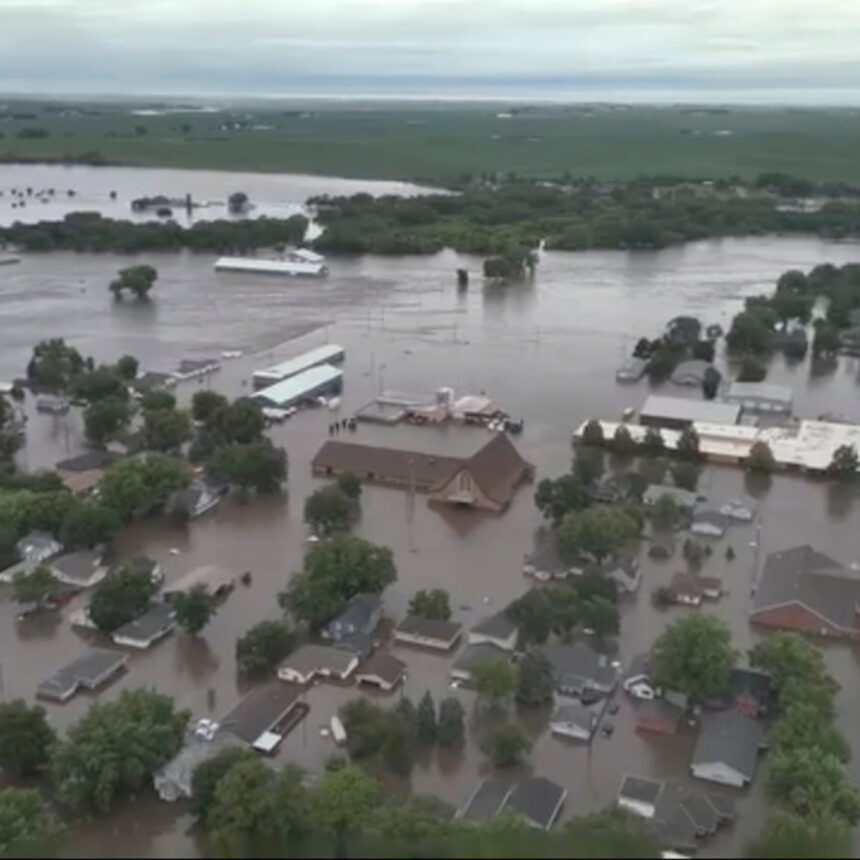
The global landscape of property protection is undergoing a massive shift as we close out December 2025. For homeowners, commercial developers, and industrial operators, understanding the intricate mechanics of flood and fire insurance is no longer a luxury but a fundamental requirement for financial survival. As the climate continues to present unprecedented challenges, the insurance industry has responded with advanced data modeling, revised policy structures, and a move toward more granular risk assessment. This guide explores the deep mechanics of these two critical safety nets, providing you with the technical knowledge necessary to protect your most valuable assets in an increasingly volatile environment.
- Current Natural Disaster Landscape: December 2025 Status Report
- Why Fire and Flood Insurance Are Not Created Equal
- The Mechanics of Fire Insurance: Beyond the Basics
- Replacement Cost vs. Actual Cash Value
- Smoke and Ash Damage Coverage
- Industrial and Commercial Fire Risks
- Navigating the National Flood Insurance Program (NFIP) in 2025
- The Rise of the Private Flood Insurance Market
- The Multi-Hazard Link: From Fire to Flood
- Strategic Claims Management and Asset Recovery
- Documentation and the Digital Inventory
- Working with Public Adjusters
- Compliance with Local Ordinances
- Future-Proofing Real Estate: Climate Resilience and Premiums
- The Legal and Regulatory Environment of 2025
- Strategic Summary for Property Owners
Current Natural Disaster Landscape: December 2025 Status Report
As of late December 2025, several significant weather events are testing the limits of current insurance frameworks. In Southern California, a massive holiday storm is currently triggering emergency evacuations due to the high risk of mudslides and flash flooding in areas previously scarred by wildfires. Governor Newsom has already proclaimed a state of emergency for several counties, highlighting the immediate need for robust hazard coverage.
Internationally, the month has seen devastating flash floods in Morocco, specifically in the coastal city of Safi, where sudden downpours destroyed dozens of homes in just one hour. Similarly, northern Iraq has been battling intense rainfall and flash floods across the Erbil and Ninawa governorates. These real-time events underscore a critical reality: disasters do not wait for policy renewals. The convergence of drought-hardened soil and sudden, intense precipitation creates a perfect storm for property loss, making the distinction between fire and flood coverage more vital than ever.
Why Fire and Flood Insurance Are Not Created Equal
One of the most dangerous misconceptions in property management is the belief that a standard homeowners policy is a catch-all for natural disasters. In reality, the insurance industry treats fire and water damage through entirely different lenses.
Fire is typically categorized as a covered peril under standard hazard insurance. Whether it is a kitchen fire, an electrical fault, or a massive wildfire, most basic policies are designed to handle the resulting damage. However, flooding is almost universally excluded. The reasoning is rooted in the “catastrophic risk” profile of floods. Because floods tend to affect entire geographic regions simultaneously, they create a massive concentration of risk that could potentially bankrupt a private insurer if not managed through specialized programs like the National Flood Insurance Program (NFIP) or specific private high-risk pools.
The Mechanics of Fire Insurance: Beyond the Basics
Fire insurance has evolved significantly in 2025. It is no longer just about rebuilding a structure, it is about comprehensive recovery. Modern policies focus on three core pillars: Replacement Cost, Actual Cash Value, and Additional Living Expenses.
Replacement Cost vs. Actual Cash Value
When a fire destroys a property, the method of valuation determines the final payout. Actual Cash Value (ACV) factors in depreciation. If your roof was ten years old, the insurer pays only what that ten-year-old roof was worth at the time of the fire. In contrast, Replacement Cost Value (RCV) covers the cost of building the exact same structure with new materials at current market prices. In 2025, with construction costs and labor shortages driving up rebuilding prices, RCV has become the gold standard for asset protection.
Smoke and Ash Damage Coverage
A common oversight in fire insurance is the “indirect loss” caused by smoke and ash. Even if the flames never touch a building, particulate matter can infiltrate HVAC systems, damage electronic equipment, and render a space uninhabitable. Premium 2025 policies now include specific endorsements for professional deep-cleaning and environmental remediation to ensure that the air quality and structural integrity of the property are fully restored.
Industrial and Commercial Fire Risks
For large-scale enterprises, fire insurance involves complex underwriting. Insurers now utilize Internet of Things (IoT) sensors and thermal imaging to monitor high-risk zones in real-time. Industrial policies often include Business Interruption insurance, which covers lost revenue while the facility is being repaired. This is a critical component for manufacturing firms where a single fire could halt global supply chains.
Navigating the National Flood Insurance Program (NFIP) in 2025
The NFIP remains the backbone of flood protection in the United States, but it has undergone significant transformations through the implementation of Risk Rating 2.0. This new methodology has moved away from traditional “flood zones” and toward a property-specific risk profile.
Risk Rating 2.0: A New Era of Pricing
Under Risk Rating 2.0, premiums are determined by a variety of factors including distance to a water source, the elevation of the first floor, and the cost to rebuild the structure. This means two houses on the same street might have vastly different premiums based on their individual vulnerability. As of December 2025, FEMA continues to update these models using satellite bathymetry and advanced hydrological data to ensure that rates are actuarially sound.
Reauthorization and Legislative Updates
In November 2025, the U.S. Congress extended the NFIP’s authorization to January 30, 2026. This periodic reauthorization is vital for the stability of the real estate market. A lapse in authorization would prevent the issuance of new policies, potentially stalling thousands of property sales daily in high-risk areas. Understanding the legislative calendar is essential for anyone looking to close on a property in a coastal or riverine region.
The Rise of the Private Flood Insurance Market
While the NFIP provides a baseline, the private flood insurance market has exploded in 2025. Private carriers are now offering higher coverage limits than the standard NFIP caps (which are typically 250,000 dollars for residential structures and 500,000 dollars for commercial properties).
Parametric Insurance: The 2025 Innovation
One of the most exciting developments in the private sector is parametric flood insurance. Unlike traditional indemnity insurance, which requires a lengthy claims adjustment process, parametric insurance pays out based on a predefined trigger, such as the water level reaching a certain height on a certified sensor. This allows for near-instant payouts, providing property owners with the liquid capital needed for immediate mitigation and temporary relocation.
Bundling Hazard and Flood Coverage
Some innovative insurers are now offering “comprehensive hazard” packages that bundle fire, wind, and flood into a single policy. This eliminates the “gray area” disputes that often arise during disasters, such as when it is unclear whether damage was caused by wind-driven rain (often covered) or rising floodwaters (usually excluded).
The Multi-Hazard Link: From Fire to Flood
A critical concept for 2025 property owners is the “post-fire flood cycle.” When a wildfire burns through a forest or brushland, it creates a “burn scar.” The intense heat makes the soil hydrophobic, meaning it can no longer absorb water. When rain falls on these areas, it creates massive runoff, leading to debris flows and flash floods.
This creates a complex insurance situation. If your home is damaged by a mudslide following a wildfire, is it a fire claim or a flood claim? The legal interpretation often depends on the “proximate cause” doctrine. If the fire is deemed the efficient proximate cause of the mudslide, your fire insurance may cover it. However, if the rain is seen as an independent intervening event, you would need flood insurance. This ambiguity is why carrying both types of coverage is strongly recommended for anyone living in or near wildfire-prone regions like the Western United States or parts of Southern Europe.
Strategic Claims Management and Asset Recovery
If the unthinkable happens and you suffer a loss, the first 48 hours are crucial. Strategic claims management can be the difference between a full recovery and a permanent financial setback.
Documentation and the Digital Inventory
In 2025, paper inventories are obsolete. Property owners should maintain a cloud-based digital inventory that includes photos, videos, and receipts for all major assets. For commercial properties, this extends to fixed assets, machinery, and specialized equipment. High-end policies now offer “valuation services” where a professional appraiser helps establish the baseline value before a loss occurs.
Working with Public Adjusters
When dealing with a large-scale fire or flood claim, many property owners hire a public adjuster. Unlike the insurer’s adjuster, a public adjuster works for the policyholder. They perform an independent assessment of the damage and negotiate with the insurance company to ensure the maximum possible settlement. In 2025, the use of AI-driven damage assessment tools has made this process more transparent, but professional expertise remains vital for navigating complex policy language.
Compliance with Local Ordinances
When rebuilding after a flood, you must often comply with the latest local building codes, which may require elevating the structure. Standard policies may not cover these “increased costs of compliance.” However, many NFIP policies include an “Increased Cost of Compliance” (ICC) endorsement, which provides up to 30,000 dollars to help bring a substantially damaged building into compliance with local floodplain management laws.
Future-Proofing Real Estate: Climate Resilience and Premiums
As we look toward 2026 and beyond, the cost of insurance will be a major driver of real estate values. Properties with built-in resilience features will enjoy lower premiums and higher marketability.
Mitigation Strategies for Fire
Fire-resistant landscaping (defensible space), the installation of ember-resistant vents, and the use of non-combustible roofing materials are now standard requirements for obtaining affordable insurance in many regions. Some insurers even offer “concierge fire services,” where private fire crews are dispatched to spray fire-retardant gel on insured homes when a wildfire approaches.
Flood Mitigation and Elevation
For flood-prone areas, mitigation involves more than just sandbags. Modern resilience includes installing flood vents, using water-resistant materials in lower floors, and elevating critical systems like HVAC units and electrical panels. In some cases, the most cost-effective long-term strategy is structural elevation, where the entire building is raised above the Base Flood Elevation (BFE).
The Legal and Regulatory Environment of 2025
The insurance industry is heavily regulated at both the state and federal levels. In 2025, new transparency laws require insurers to provide more detailed explanations of why a claim was denied or why a premium was increased. Additionally, the “Reasonable Expectations” doctrine continues to gain ground in courts, suggesting that if a policy is written in a way that an average consumer would reasonably expect a certain peril to be covered, the court may rule in favor of the policyholder.
Strategic Summary for Property Owners
To effectively manage the risks of fire and flood in 2025, you must:
- Review your current policy limits annually to ensure they keep pace with rising construction costs.
- Maintain separate flood insurance through the NFIP or a private carrier, even if you are not in a “high-risk” zone.
- Identify the proximate cause risks in your area, such as the potential for mudslides after wildfires.
- Invest in physical mitigation to lower your risk profile and insurance premiums.
- Utilize digital tools for asset documentation and real-time disaster monitoring.
The intersection of insurance and climate risk is complex, but by understanding the mechanics of how these policies work, you can secure your financial future against the elements. Whether you are protecting a family home or a global industrial footprint, the right coverage is the foundation of a resilient investment strategy.