

The landscape of property investment has undergone a seismic shift as we move through 2026. For property owners, the era of passive management has ended. Today, success is defined by proactive risk mitigation and a deep understanding of the evolving insurance market. This comprehensive guide explores the critical strategies and coverage options required to safeguard your real estate assets in a world of climate volatility, technological advancement, and complex regulatory changes.
- The State of the Rental Market in 2026
- Climate Change and the High Risk Property Crisis
- The Role of Smart Home Technology in 2026
- Navigating the Regulatory Landscape of 2026
- Essential Coverage Pillars for 2026
- 1. Dwelling Coverage (DP-3)
- 2. General Liability
- 3. Loss of Rent (Fair Rental Value)
- 4. Law and Ordinance Coverage
- Specialized Insurance for Short Term Rentals
- Top Landlord Insurance Providers in 2026
The State of the Rental Market in 2026
As we navigate the current year, the real estate sector is characterized by a stabilization of interest rates around the 6 percent mark. While the aggressive hikes of previous years have subsided, the cost of capital remains high. This environment has made immediate cash flow more important than ever for investors. In 2026, the strategy has shifted from speculative appreciation to the preservation of existing yields.
Insurance premiums, which saw double digit increases between 2022 and 2025, are beginning to show signs of deceleration. However, the baseline remains at a historic high. Modern landlords must view insurance not just as a necessary expense but as a dynamic component of their risk management portfolio.
Why Traditional Policies are No Longer Enough
The standard dwelling fire policies of a decade ago are increasingly insufficient for the modern landlord. In 2026, risks are more interconnected. A simple water leak is no longer just a maintenance issue; it is a potential mold liability and a source of significant loss of rent. Furthermore, the rise of the gig economy has blurred the lines between residential and commercial use, requiring more specialized riders.
Climate Change and the High Risk Property Crisis
One of the most defining factors of 2026 is the impact of climate events on insurance availability. We have seen a significant exodus of private carriers from catastrophe prone regions, particularly in coastal and wildfire zones.
The Rise of the Excess and Surplus Market
In states like California, Florida, and Texas, many landlords are finding that standard carriers are no longer offering new policies. This has led to an explosion in the Excess and Surplus (E&S) market. While E&S policies offer a lifeline for properties that are otherwise uninsurable, they often come with higher deductibles and more restrictive terms. If your property is located in a high risk ZIP code, your primary goal in 2026 should be securing “admitted” coverage through proactive property hardening.
Property Hardening for Premium Stability
Insurers in 2026 are increasingly rewarding landlords who invest in physical resilience. This process, known as property hardening, includes:
- Roof Upgrades: Installing impact resistant shingles or metal roofing that meets the latest wind speed standards.
- Ember Resistant Vents: A crucial upgrade for properties in wildfire zones to prevent airborne embers from entering the attic.
- Flood Mitigation: Raising electrical systems and installing backflow valves in basements.
By documenting these upgrades with professional certifications, landlords can often negotiate lower premiums or maintain coverage with preferred carriers that would otherwise non renew.
The Role of Smart Home Technology in 2026
Technology has become the landlord’s greatest ally in 2026. The integration of Internet of Things (IoT) devices is no longer a luxury; it is a standard requirement for many high value insurance policies.
Real Time Monitoring and Leak Detection
Water damage remains the leading cause of non catastrophic property claims. In 2026, many top tier insurers are offering “connected home” discounts for landlords who install smart leak detectors. These devices can automatically shut off the main water valve the moment a leak is detected, potentially saving tens of thousands of dollars in repair costs and preventing tenant displacement.
Electrical Monitoring Systems
Electrical fires are a significant concern, especially in older rental stock. Systems that monitor electrical fluctuations can identify “arcing” before it leads to a fire. Some insurers are now providing these devices for free to their policyholders, recognizing that prevention is far cheaper than paying out a total loss claim.
Smart Security and Liability
Smart locks and ring cameras serve a dual purpose. They provide security for the tenant and a digital audit trail for the landlord. In 2026, this data can be invaluable during liability disputes or when documenting the condition of the property during move in and move out.
Navigating the Regulatory Landscape of 2026
Landlords must be aware of the sweeping legal changes that have taken effect this year. These regulations directly impact the type of liability coverage you need.
The Impact of the Renters Rights Act
In international markets, particularly the United Kingdom, the Renters Rights Act of 2025 has fully come into force as of May 2026. This legislation has abolished “no fault” evictions and introduced a new national landlord register. In the United States, similar local ordinances are becoming more common.
For insurance purposes, this means your liability coverage must be more robust. Legal expense insurance is now a “must have” rider to cover the costs of navigating new eviction protocols or defending against claims in the new landlord ombudsman systems.
Rent Control and Income Protection
With many jurisdictions implementing stricter rent increase caps, the “Fair Rental Value” (FRV) component of your insurance is more critical than ever. If your property becomes uninhabitable due to a fire or storm, FRV pays the rent you would have collected. In 2026, ensure your FRV coverage is based on the current market rate, not the rate from three years ago, to avoid a shortfall in cash flow during repairs.
Essential Coverage Pillars for 2026
To build a comprehensive protection plan, you must understand the different layers of a modern landlord policy.
1. Dwelling Coverage (DP-3)
The DP-3 policy remains the gold standard for residential landlords. It is an “open perils” policy, meaning it covers everything unless it is specifically excluded. In 2026, you must pay close attention to “Replacement Cost” versus “Actual Cash Value.” Given the high cost of construction materials this year, an Actual Cash Value policy could leave you with a significant financial gap after a loss.
2. General Liability
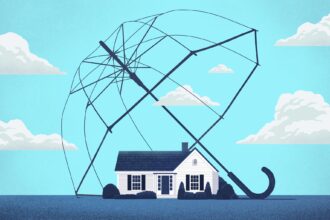
Liability coverage protects you if a tenant or guest is injured on your property. In 2026, the recommended minimum for even a single family home has risen to 1 million dollars. For multi unit properties, an “Umbrella Policy” is essential to provide an extra layer of protection above your primary limits.
3. Loss of Rent (Fair Rental Value)
This is the most overlooked part of landlord insurance. In 2026, with inflation impacting living costs, you cannot afford to lose months of rental income. Ensure your policy covers at least 12 to 24 months of lost rent to account for the longer construction timelines we are seeing this year.
4. Law and Ordinance Coverage
If an older building is damaged, you may be required to bring the entire structure up to the current 2026 building codes during the repair process. Standard policies do not cover these extra costs. Law and Ordinance coverage is vital for anyone owning property built before 2015.
Specialized Insurance for Short Term Rentals
The rise of platforms like Airbnb and Vrbo has created a unique set of risks. Standard landlord insurance often excludes short term stays. In 2026, specialized “Short Term Rental” (STR) policies are the only way to ensure full protection.
These policies cover:
- Commercial Liability: Protection for the high turnover of guests.
- Theft and Vandalism: Coverage specifically for property stolen or damaged by guests.
- Loss of Business Income: Replacing the high daily rates common in the STR market.
Top Landlord Insurance Providers in 2026
When choosing a partner to protect your assets, financial strength and claims responsiveness are paramount. Based on recent 2026 industry data, the following companies are leading the market:
State Farm: Best for Comprehensive Local Support
State Farm continues to dominate with its massive network of local agents. Their 2026 policies are particularly strong for landlords who value face to face advice and need personalized risk assessments for single family homes.
Liberty Mutual: Best for Customization
Liberty Mutual has excelled in 2026 by offering modular policies. Landlords can “pick and choose” specific riders like equipment breakdown or cyber liability, allowing for a highly tailored insurance spend.
Allstate: Best for Multi Property Portfolios
For investors with growing portfolios, Allstate offers a streamlined “Landlord Package” that allows for easy management of multiple locations under one master policy. Their digital tools for 2026 are among the best in the industry.
American Family: Best for Smart Tech Integration
American Family has taken the lead in rewarding tech forward landlords. They offer some of the most significant premium discounts for properties equipped with verified smart home security and leak detection systems.